
In a previous blog post, I talked about how traumatic childhood experiences can contribute to attention deficit hyperactivity disorder or ADHD. Children with ADHD have trouble paying attention (hence, “attention deficit”) and are overactive (hence, “hyperactivity”). Furthermore, children with ADHD are impulsive; they have trouble controlling their behavior. Usually, teachers are the ones that see the first signs of ADHD: kids make careless mistakes, fidget in class, and have trouble paying attention. However, this is not just a childhood disorder; people have ADHD for life.
 This is a diagnosis that is only becoming more prevalent. In a study from last year, researchers from the University of Iowa found that 10% of children in the US have been diagnosed with ADHD. At first glance, it may seem like we have an ADHD epidemic on our hands. However, we are dealing with quite the opposite. Instead, physicians are finally diagnosing people who, beforehand, would have dealt with their ADHD symptoms without treatment. ADHD is a common disorder and researchers believe that it always has been. Now, people are finally getting the treatment they need.
So, what are the current treatments?
Right now, we can treat ADHD using medication and behavioral therapy. The most common medications used to treat ADHD are stimulants like Adderall and Ritalin. They really help; however, they come with side effects. For example, Ritalin can cause a fast heart rate and anxiety. And, children treated with the other major alternative, Adderall, are twice more likely to develop psychosis. Furthermore, people without ADHD have started to take these medications for productivity boosts, many developing addictions. Because of this, researchers are searching for non-drug treatments.
Now, a device for ADHD, the first of its kind, seems promising.
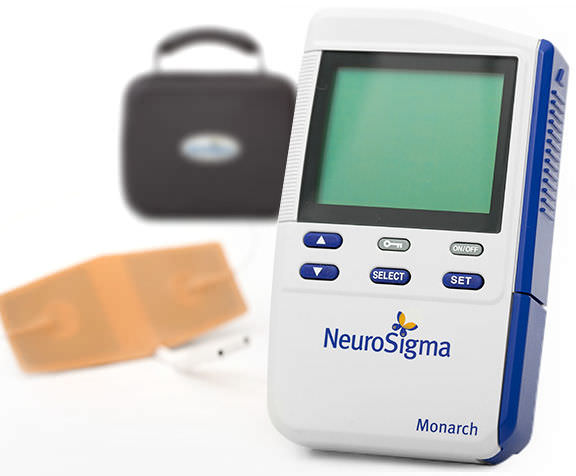
Two days ago, the FDA approved a device called the Monarch external Trigeminal Nerve Stimulation (eTNS) System for treating ADHD, specifically for kids aged 7 to 12 who have never taken stimulant medications.
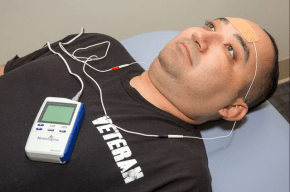
This is how it works: a small device about the size of a cell phone is wired to a patch that sits just above the eyebrows. The patch electrically stimulates branches of the trigeminal nerve. Researchers don’t know exactly how it works, but through imaging studies, they saw that the device stimulates regions of the brain important to ADHD. These regions control attention and behavior.
Children will wear this device every night while they sleep; however, it may not work until 4 weeks into treatment. It is still promising though. In a clinical trial made up of 62 children, this device significantly lessened ADHD symptoms.
The Monarch eTNS system has some minor side effects like drowsiness and increased appetite. However, it may turn out to be a formidable alternative to ADHD medication.

 Science On Tap