
Tech is biased. Time and time again, algorithms have pumped out results that perpetuate societal biases. Take the case of the LAPD. They used artificial intelligence to assign people “points” based on past offenses and whether they have been stopped by the police before. Then, police officers monitored areas containing people with more points. This meant that if someone was stopped by the police before, even if they didn’t have a criminal history, they were monitored and then stopped again, creating a never-ending cycle.
So what is artificial intelligence’s role in this?
Artificial intelligence reads in years of data and then makes judgment calls based on past trends. This means that if the data itself is biased, even if it is slight, those biases will become ingrained in the algorithm’s decision framework. Suddenly, the algorithm will make decisions based on these biased trends.
After all, why were these criminal-record-less people stopped by the LAPD in the first place? Probably because of racial biases.
This is worrisome and impacts many sectors of society.
 In a study published in February, an AI algorithm went through 4 years of clinical notes. After going through all the language that the healthcare providers used, the algorithm then predicted the chances of ICU patients dying in the hospital as well as the chances of psychiatric patients being readmitted to the psych hospital within 30 days. This data could be very helpful during the treatment process. But here’s the thing, the AI algorithm was wrong–particularly for people of color, women, and people with public healthcare. We don’t have adequate or consistent data for these groups. Furthermore, the clinical notes themselves might have encoded biases of the healthcare providers. This means that if we did use this AI algorithm, we would be doing these groups a disservice; our data would not be perfectly attuned to their needs.
So what are we doing about it?
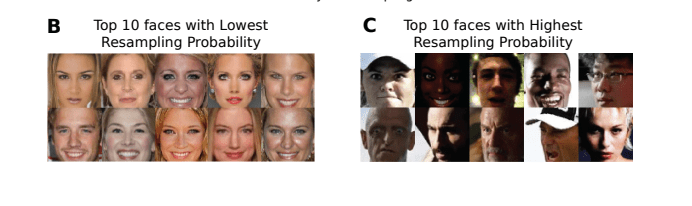
A similar story is happening right now in the facial recognition world. While facial recognition is mainly considered to be an accomplished feat, there are many people it’s not accurate for, especially people of color. To fix this, researchers at MIT worked to fix AI bias…using AI! This new AI algorithm figures out which groups of people are underrepresented and resamples pictures of people from these groups. This way, by itself, it reads in pictures of faces that were previously overlooked or not deemed “faces” — specifically people of color, people wearing hats, and pictures from weird angles. Afterward, the original AI algorithm was significantly better at recognizing faces of underrepresented people.
Can we use a similar AI algorithm in the AI used by police officers and healthcare providers? If we want impartial law and medicine, we better hope it’s possible.

 Science On Tap